The 2026 3rd International Conference on Clean Energy and Low Carbon Technologies (CELCT 2026)

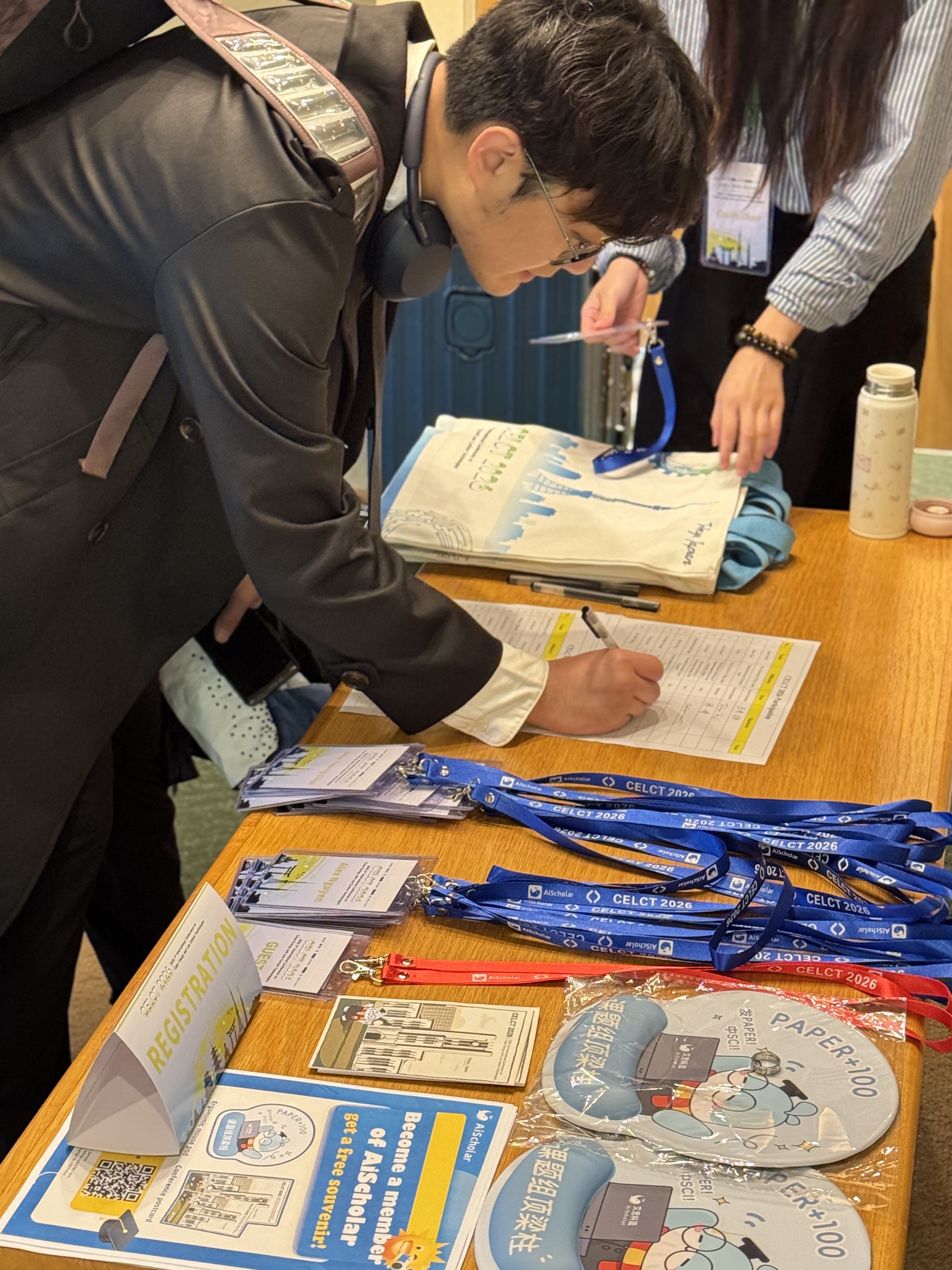
The 2026 3rd International Conference on Clean Energy and Low Carbon Technologies (CELCT 2026) concluded successfully on May 1, 2026 in Tokyo, Japan, marking a significant milestone in advancing clean energy innovation and accelerating the global sustainable transition of low-carbon energy.
Hosted by The University of Tokyo, the conference was co-organized by multiple prestigious international universities, technically sponsored by IEEE and IEEE PES, and supported by the Low Carbon Energy Laboratory of Tsinghua University. It serves as a professional and authoritative international platform for academic exchange and technological cooperation in the field of low-carbon energy.
The opening ceremony was moderated by Assistant Professor Jie Bo from The University of Tokyo. Professor Jumpei Baba from The University of Tokyo delivered the welcoming address, kicking off a full day of fruitful academic exchanges and in-depth research discussions.
|  |

CELCT 2026 featured distinguished keynote speakers who delivered core academic sharing for the conference. Professor Jumpei Baba, the Conference General Chair from The University of Tokyo, presented the development status and trends of renewable energy in Japan.
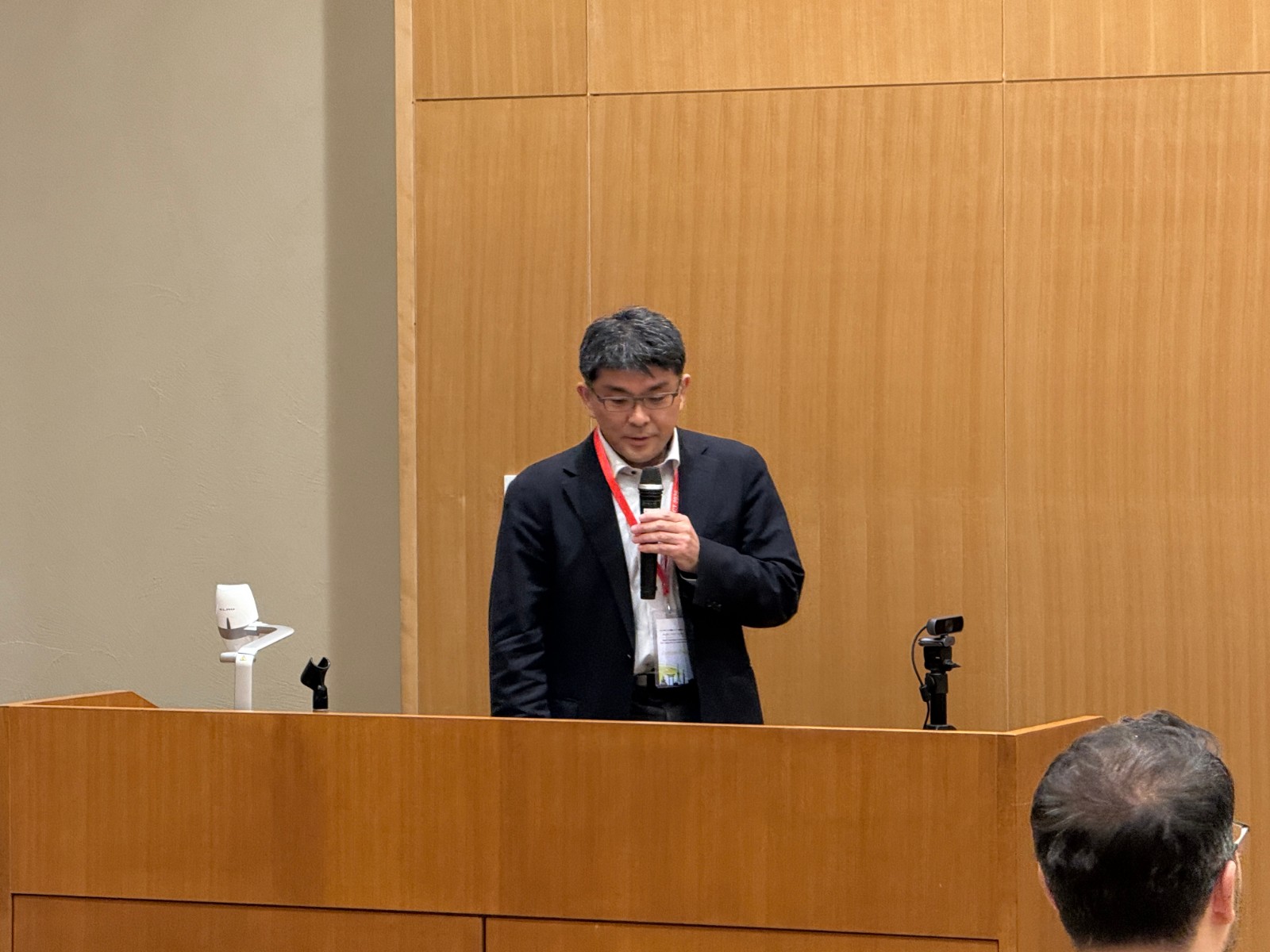 |  |
Prof. Jumpei Baba, The University of Tokyo, Japan
Speech Title: Growth of Variable Renewable Energy (VRE) Source Penetration in Japan
Professor Fushuan Wen, IEEE Fellow from Zhejiang University, shared the applications of artificial intelligence in energy and carbon markets.
|
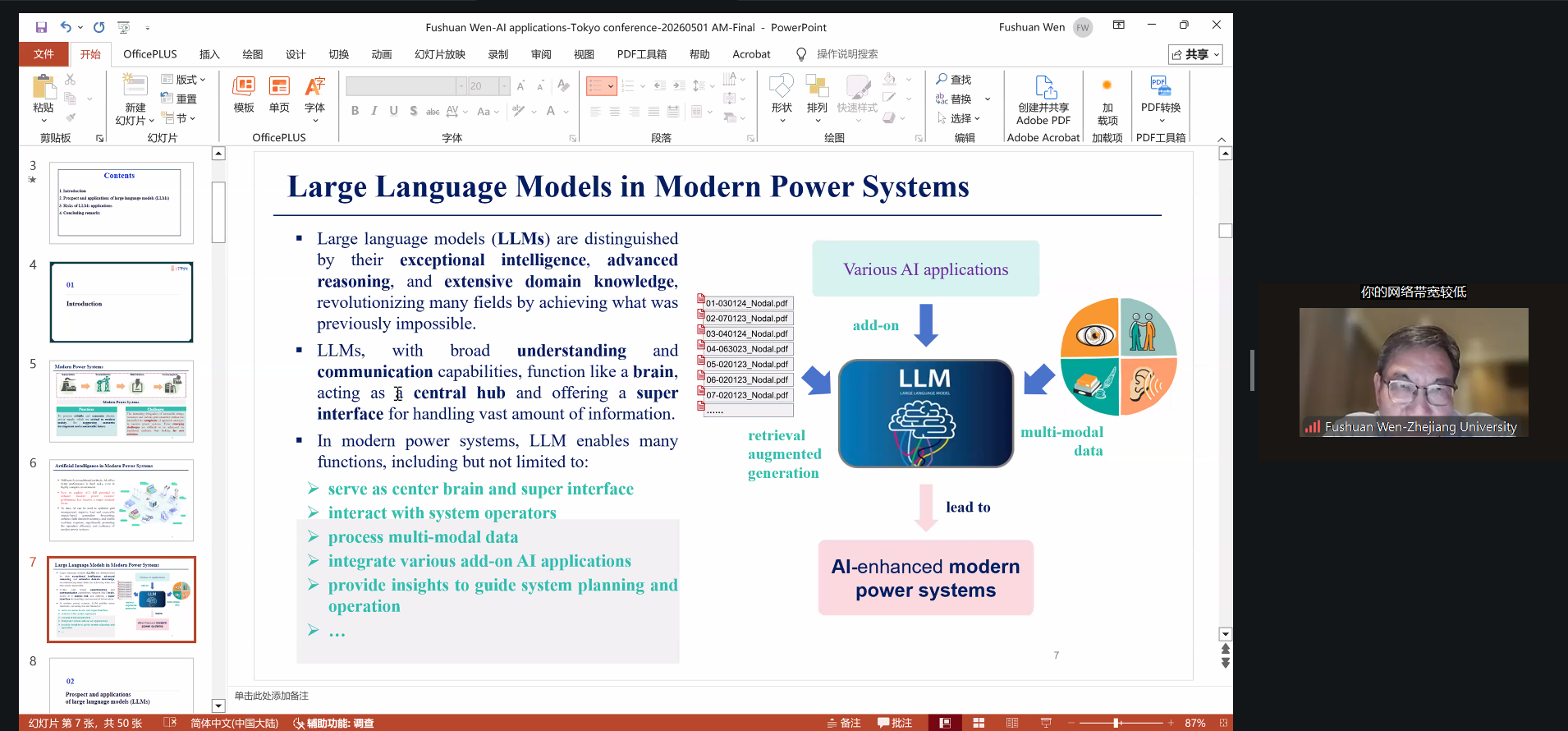
Prof. Fushuan Wen, Zhejiang University, China
Speech Title: Modern artificial intelligence applications in power/integrated energy systems and electricity/carbon emission markets
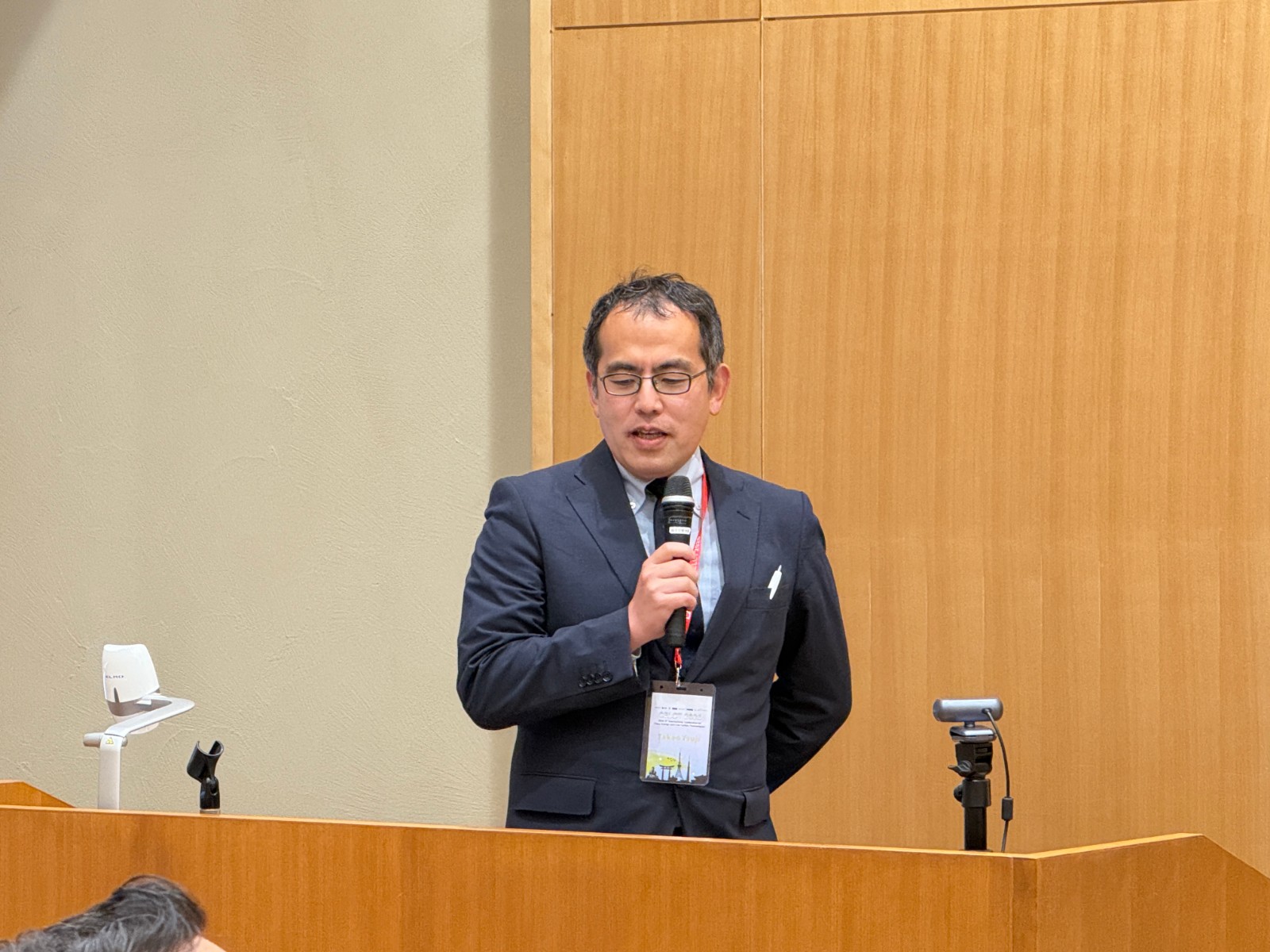
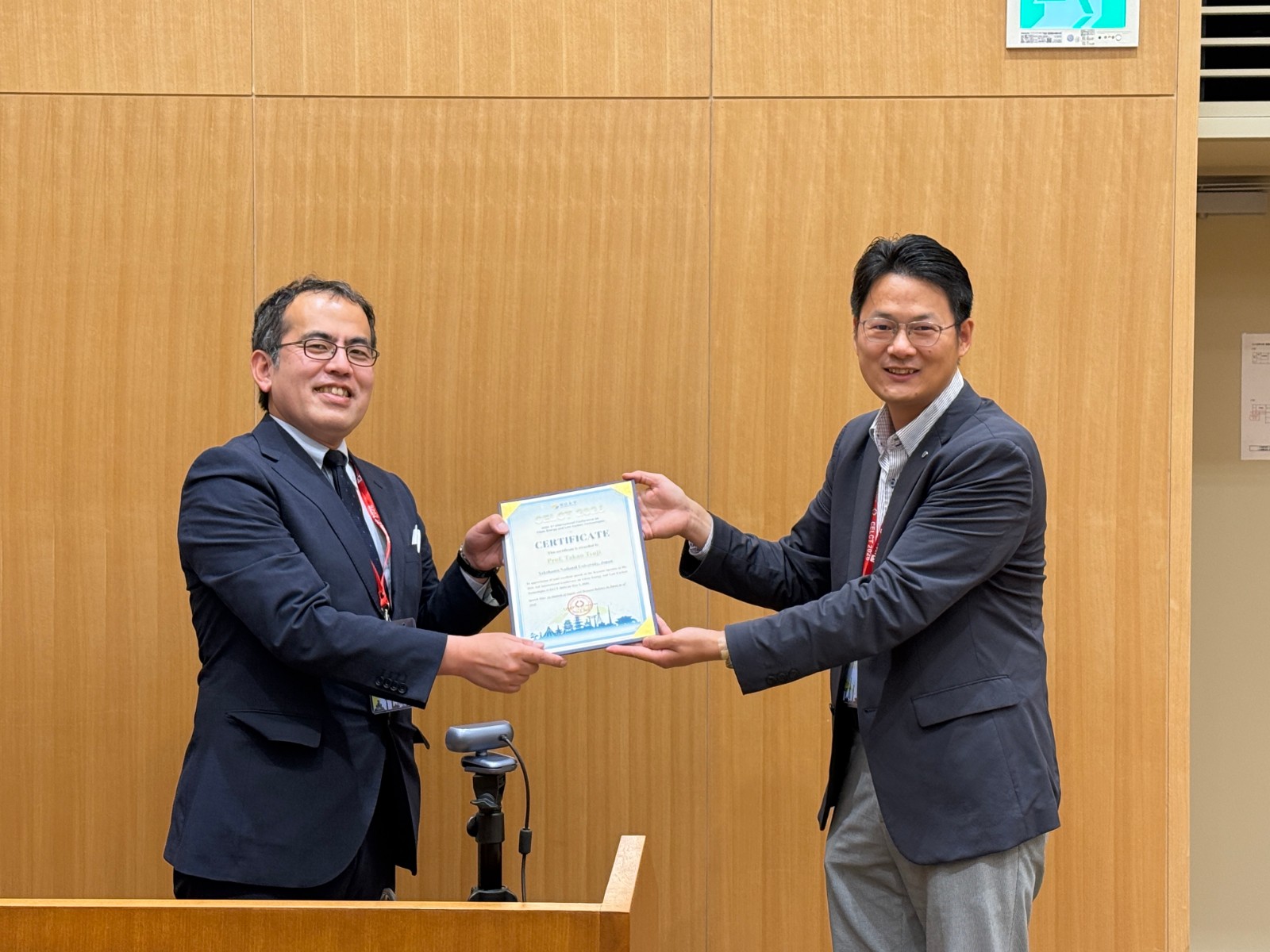
Professor Takao Tsuji from Yokohama National University, Japan elaborated on Japan’s 2040 energy supply-demand outlook.
 |  |
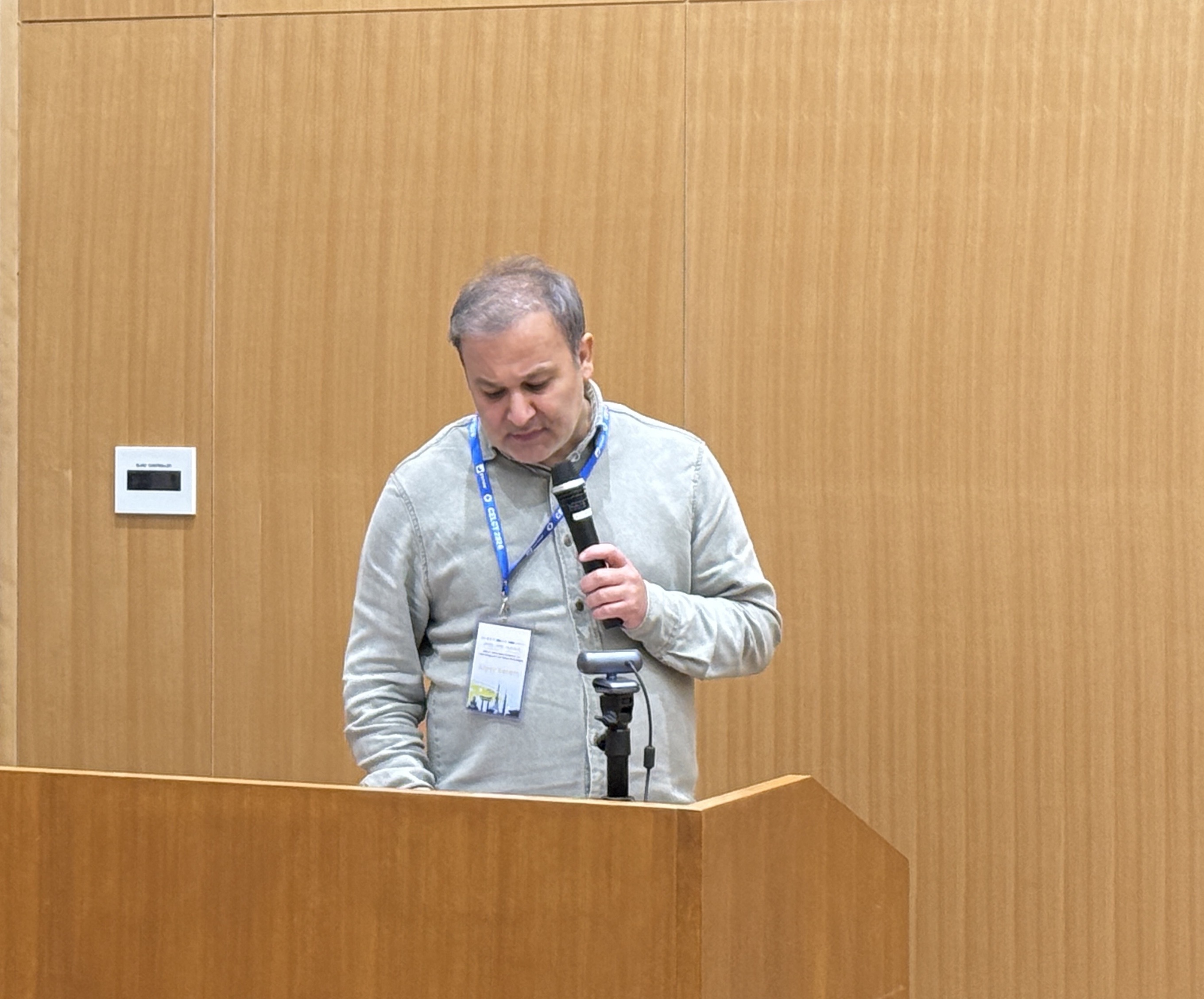
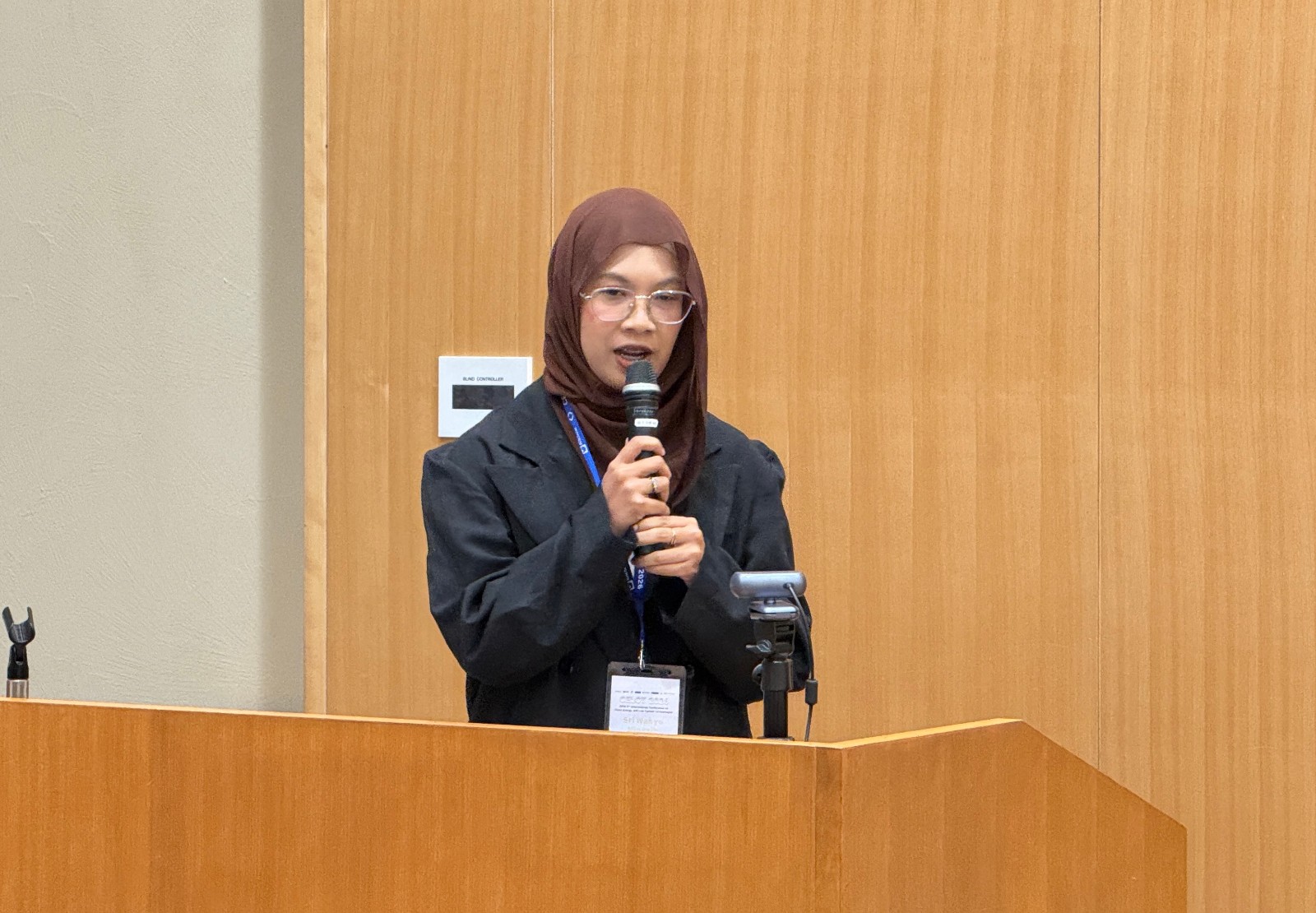
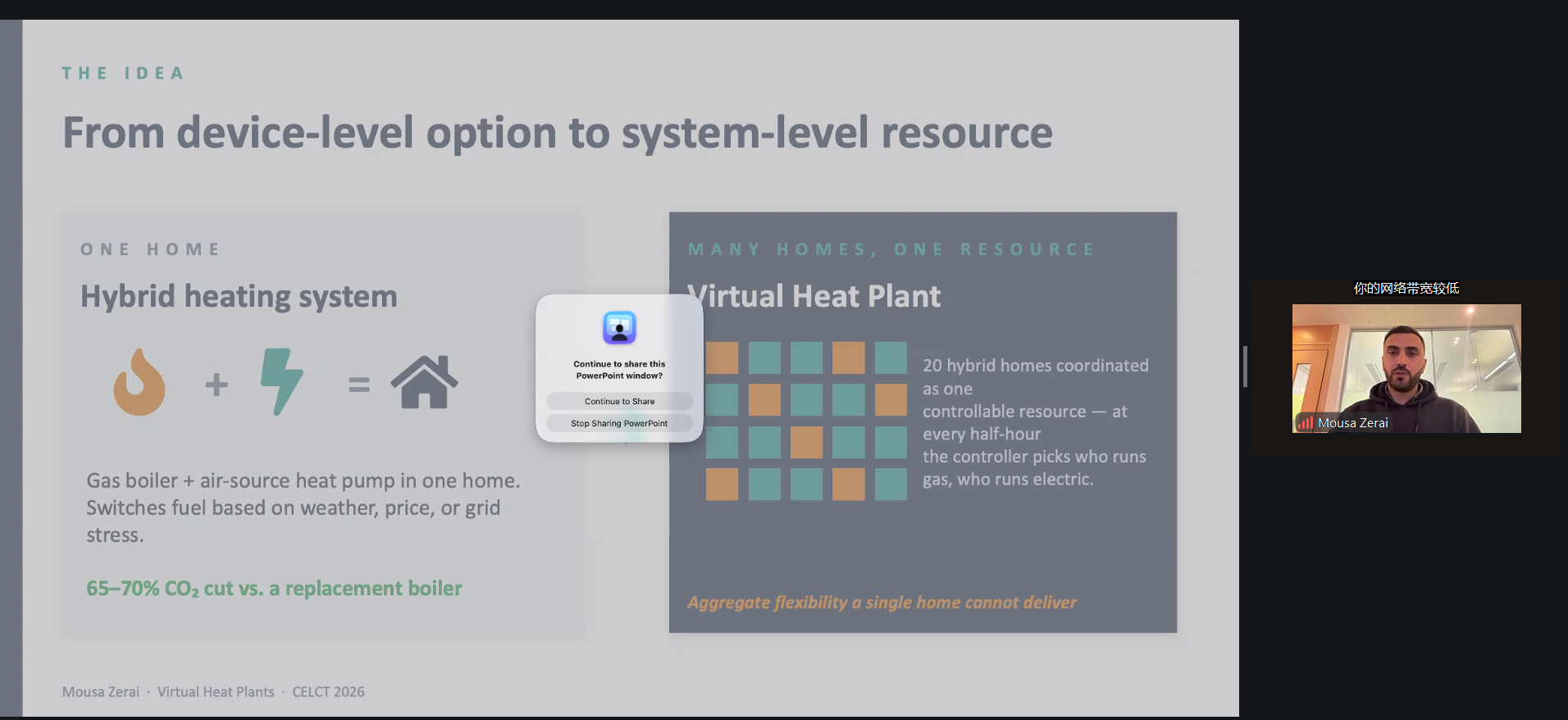
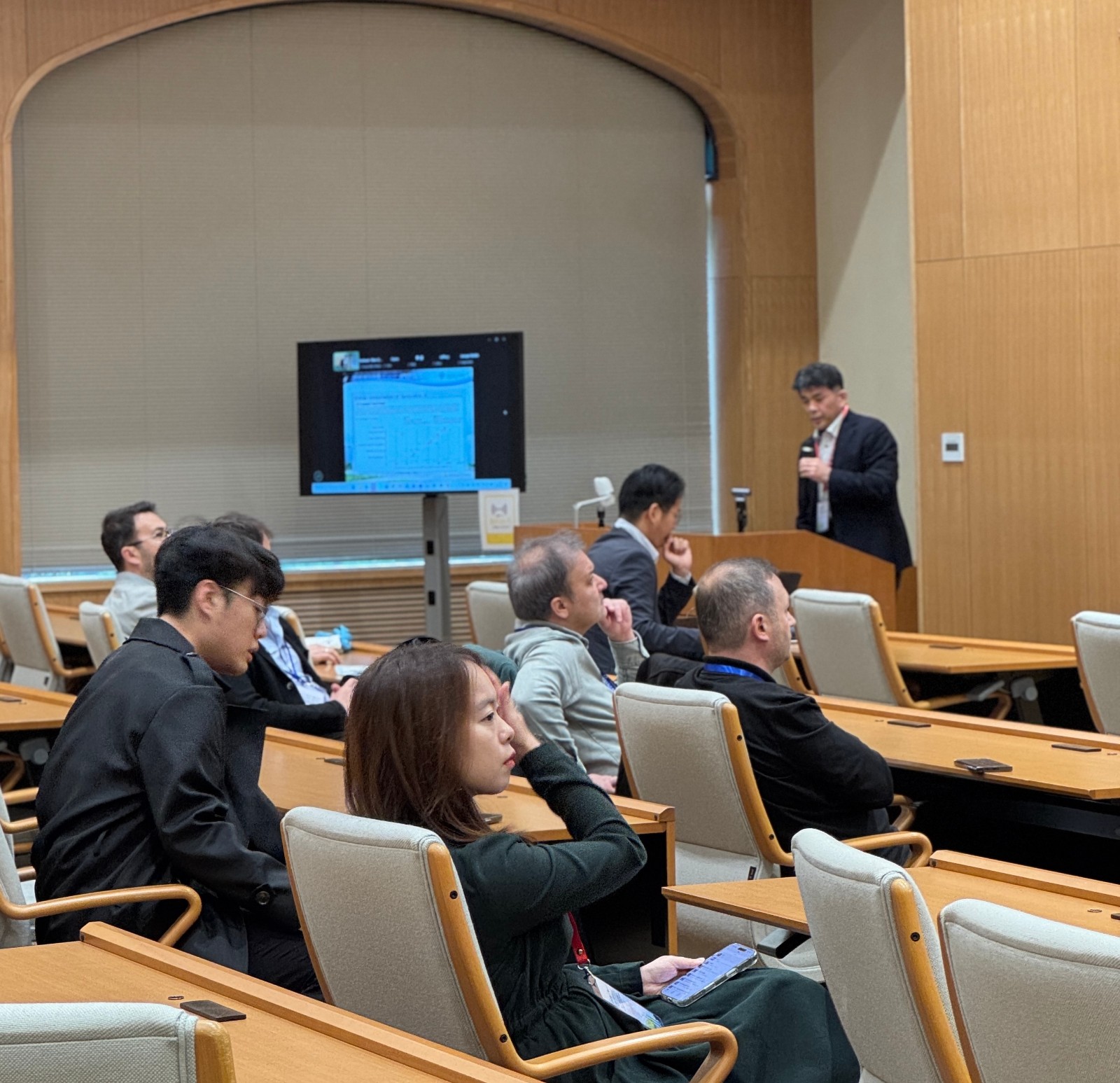
The conference gathered scholars and researchers from various countries and regions including Japan, China, Taiwan (China), Türkiye, the United Kingdom, and Indonesia. Participants presented the latest oral research findings covering a range of cutting-edge fields, including low-carbon building design, intelligent wind power monitoring, new battery material innovation, offshore photovoltaic technology, and optimized energy storage planning. These diverse presentations fully showcased global innovative research progress in clean energy and low-carbon technologies, laying a solid foundation for cross-regional academic collaboration and technological innovation.
 |  |  |  |
 |  |  | |
While CELCT 2026 has concluded, the global pursuit of clean energy innovation and low-carbon sustainable development continues unabated. The academic achievements and new partnerships forged at the conference are expected to drive continuous global technological progress in low-carbon energy. Moving forward, researchers and industry practitioners worldwide will strengthen international cooperation to advance energy innovation and build a greener and more sustainable future for the globe.
 |  |
 |  |